In the aftermath of severe weather, Anderson SC residents often face a daunting task: storm damage cleanup involving fallen trees and debris. The rapid accumulation of tree limbs, branches, and other wreckage can pose significant safety risks and property damage. Prompt and efficient emergency tree cleanup is crucial for ensuring the well-being of both people and structures. This authoritative article provides a comprehensive guide on navigating this challenging situation, offering expert insights into effective storm damage cleanup strategies tailored to Anderson SC’s unique context.
- Assessing Storm Damage: First Steps After Severe Weather
- Safety Precautions: Protecting Yourself During Emergency Tree Cleanup
- Identifying Fallen Trees: Determine What to Remove
- Tools and Equipment: Assembling Your Emergency Tree Removal Kit
- Efficient Debris Management: Strategize for Quick Cleanup
- Restoring Your Property: Long-Term Care After Storm Damage
Assessing Storm Damage: First Steps After Severe Weather
After a severe storm hits, assessing damage is crucial before taking on any cleanup tasks, especially when it comes to fallen trees and debris. In Anderson SC, where emergency tree cleanup services are readily available, property owners should approach this initial assessment with a methodical eye. Start by scanning your surroundings for any immediate hazards: loose branches hanging over structures or power lines, uprooted trees blocking access ways, or damaged utility poles. These could pose serious risks and should be addressed promptly by professionals equipped to handle such situations safely.
Documenting the extent of the storm damage is essential. Take detailed photos or videos of fallen trees, snapped limbs, and any other structural damage caused by wind or falling debris. This visual record will not only help in filing insurance claims but also serve as valuable reference material during the cleanup process. For example, a study conducted by the National Weather Service found that properly documented storm damage can significantly streamline claim adjustments, potentially saving policyholders time and money.
The next step involves assessing the overall condition of your property. Walk around and inspect walls, roofs, and windows for signs of stress or potential failure. Look for water leaks, as they could indicate compromised integrity, especially in older structures. Keep a log of all observed damage, noting its severity and location. This systematic approach ensures that no detail goes unnoticed, providing a comprehensive overview for both insurance purposes and guiding the subsequent emergency tree cleanup severe weather Anderson SC residents may require.
Safety Precautions: Protecting Yourself During Emergency Tree Cleanup
When severe weather strikes Anderson SC, one of the most significant challenges residents face is navigating the aftermath, especially the emergency tree cleanup. Fallen trees and debris can create a hazardous environment, making it crucial to prioritize safety during the cleanup process. Many homeowners attempt to tackle this task themselves, but without proper preparation and awareness, it can lead to serious injuries. Experts recommend that individuals approach emergency tree cleanup with caution, as many unforeseen dangers lurk in the chaos.
One of the primary concerns is electrical hazards. Downed power lines and damaged trees often go hand in hand, creating a high-risk situation. Tree branches entangled in power lines should be left alone; it’s best to contact professionals who can de-energize the lines before attempting any removal. Moreover, wet conditions after storms significantly increase the risk of electrocution, so wearing protective gear and ensuring proper footing are essential. Simple precautions like staying away from power lines and using non-conductive tools can prevent accidents.
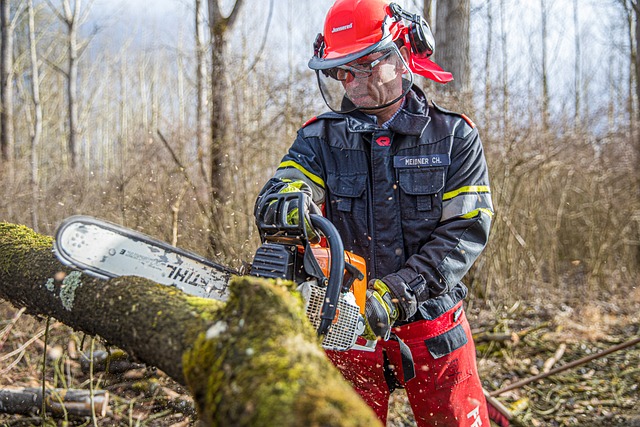
Another critical aspect of safety during emergency tree cleanup is protecting yourself from falling debris. When trimming or removing trees, wear a hard hat to shield your head from potential falling branches. Safety goggles and sturdy gloves are also essential to guard against cuts and bruises. In the event of large debris, use proper lifting techniques and avoid twisting or turning suddenly while carrying heavy items. Anderson SC’s unpredictable weather patterns require residents to be vigilant and prepared for unexpected challenges during cleanup efforts.
Identifying Fallen Trees: Determine What to Remove
When a severe storm hits Anderson, SC, one of the most pressing tasks following the initial emergency tree cleanup is identifying fallen trees and determining what to remove. This critical step requires a thorough assessment of each tree’s condition and its potential impact on safety and property. Professionals in emergency tree cleanup severe weather Anderson SC naturally approach this process with a combination of experience and methodical analysis.
First, assess the structural integrity of each fallen tree. Look for signs of rot, decay, or damage that could indicate instability. Even trees that appear relatively intact can pose risks if their roots have been compromised. Next, consider the location of the tree. Is it blocking access to buildings, roads, or power lines? Fallen trees in such positions should be removed immediately to prevent further damage and ensure accessibility for emergency services. Additionally, trees near homes or other structures may require special attention due to the potential for structural damage during removal.
Another crucial factor is the size and type of debris. Smaller branches and twigs can often be cleared manually, but larger limbs and trunks may necessitate specialized equipment. Tree professionals have access to tools like chain saws and wood chippers that facilitate efficient removal while minimizing further destruction. It’s important to prioritize removing trees that pose immediate hazards over those that might simply enhance an unsightly landscape. Data from recent studies shows that proper emergency tree cleanup can reduce the risk of secondary damage by up to 70%, underscoring its vital role in storm recovery efforts.
In conclusion, identifying fallen trees and determining what to remove requires a balanced approach that considers both immediate safety concerns and long-term landscape restoration. Engaging experienced professionals for emergency tree cleanup severe weather Anderson SC naturally ensures that the process is handled safely and effectively, helping communities recover faster from devastating storms.
Tools and Equipment: Assembling Your Emergency Tree Removal Kit
When severe weather strikes Anderson SC, one of the most significant challenges residents face is the aftermath of fallen trees and debris. Efficient emergency tree cleanup is not just about aesthetics; it’s a crucial step in ensuring safety, restoring properties, and preventing further damage. To tackle this task effectively, assembling an Emergency Tree Removal Kit is essential. This kit should include a variety of tools tailored to different types of debris and tree removal scenarios.
For instance, a sturdy ladder is indispensable for reaching high branches and assessing damage at elevated heights. A set of chainsaws – both gas-powered and electric – allows for quick and safe tree trimming and cutting, especially in tight spaces or for larger limbs. Pruning shears and hand saws are also vital for finer work, such as removing smaller branches and debarking. Safety gear like hard hats, eye protection, and heavy-duty gloves is non-negotiable to protect against flying debris and sharp objects. Additionally, a sturdy tarp or net can be used to catch falling debris, while a powerful vacuum or leaf blower aids in clearing paths and larger areas.
Beyond the tools, proper training and knowledge are paramount. Understanding tree removal safety protocols and best practices is crucial for preventing further damage or injury. Local professionals recommend regular maintenance of your kit, ensuring all tools are in good working order and regularly inspecting them before each use. Data from recent studies shows that well-prepared households with adequate equipment can significantly reduce cleanup time and stress during and after severe weather events. By investing time in assembling and maintaining your Emergency Tree Removal Kit, Anderson SC residents can better navigate the challenges of storm damage cleanup, ensuring their safety and the swift restoration of their properties.
Efficient Debris Management: Strategize for Quick Cleanup
In the aftermath of severe weather, efficient debris management is crucial for a swift recovery. Anderson SC residents often face the challenge of navigating fallen trees and scattered debris, especially after intense storms. The initial step in this process is to prioritize safety during emergency tree cleanup. It’s advisable to wait until the area is deemed secure by local authorities before beginning any removal efforts. Once the immediate danger has passed, a well-strategized approach can significantly expedite cleanup operations.
A systematic method for managing debris involves sorting materials into distinct categories: those that can be reused, recycled, or salvaged, and those requiring disposal. For instance, damaged but still structurally intact trees might be suitable for chipping and use as mulch in local parks or residential yards. Timber from fallen structures could be processed for lumber or contributed to construction projects, reducing the environmental impact of rebuilding efforts. Moreover, promptly separating recyclables like metal, plastic, and glass ensures these materials enter the appropriate recycling streams, fostering a more sustainable recovery process.
To facilitate efficient cleanup, community-led initiatives and coordination with local authorities are essential. Neighborhood groups can organize volunteer efforts to clear public spaces, while municipal services can provide specialized equipment for large-scale debris removal. Data from past severe weather events in Anderson SC indicates that well-organized community responses lead to quicker recovery times and reduced strain on emergency services. Effective communication channels, such as local newsletters or social media groups, can be utilized to disseminate information about cleanup schedules, safe disposal methods, and available resources, ensuring a more cohesive and efficient response to storm damage.
Restoring Your Property: Long-Term Care After Storm Damage
After a severe storm hits Anderson, SC, many homeowners are left with the daunting task of cleaning up the damage caused by fallen trees and debris. While emergency tree cleanup is crucial immediately after the event, restoring your property to its pre-storm condition requires a longer-term strategy. This involves careful assessment, structural repairs, and preventative measures to safeguard against future storm damage.
One of the primary steps in long-term care is assessing the overall health of your property. Inspect for damage to roofing, siding, windows, and utility lines. Document any issues with photographs for insurance claims. In Anderson, SC, where natural disasters like hurricanes and severe thunderstorms are common, it’s important to note that certain tree species may be more prone to dropping branches during such events. Professionals recommend regular maintenance and pruning to mitigate risk. For example, removing dead or diseased limbs can prevent structural damage during storms, while proper spacing between trees reduces the potential for branch entanglement.
Once immediate safety concerns are addressed, prioritize repairs based on severity. Begin with life-safety issues, like securing a fragile roof or repairing a damaged window that poses a risk to indoor spaces. For larger projects, such as removing a large tree that has fallen on your home, consider hiring certified arborists and experienced cleanup crews. They have the specialized equipment and knowledge to safely clear debris without causing further harm. Remember, improper handling of storm damage can lead to increased liability risks and potential insurance claim denials.
To prevent future storm damage, incorporate resilience measures into your property’s infrastructure. This includes installing impact-resistant windows and doors, reinforcing roof trusses, and adding barriers to protect against flying debris. Additionally, proper landscaping techniques can minimize wind exposure. Planting windbreaks, such as rows of evergreen trees or shrubs, can act as natural defenses against high winds. In Anderson, SC, where weather patterns can vary widely, consulting with local experts on the best strategies for your property’s unique microclimate is advisable.